
A memorable guest experience rarely begins with a specification sheet.
It starts with a story. A destination. A feeling. A collection of materials, sketches, and inspiration that captures what a space should evoke long before the first guest arrives. For hospitality designers, the challenge is preserving that vision throughout the specification process.

Pictured: Deconstructed Deco at the Crowne Plaza Providence-Warwick
Every project begins with inspiration. Sometimes it's local architecture, cultural influences, or the character of a destination. Other times, it's a design movement reimagined for modern hospitality. Séura's Deconstructed Deco collection reflects this journey. Designed by Studio Series winner Colleen Smith of Hirsch Bedner Associates, the collection draws from the geometry and elegance of Art Deco design, translating historical influences into contemporary etched patterns that feel sophisticated, distinctive, and relevant for today's hospitality environments. As Smith describes it: "Geometric shapes and interesting line work is as current now as it was in the period's heyday."
Across the industry, this is the path a design vision typically follows: inspiration becomes concept. Concept becomes drawing. Drawing becomes sample. Sample becomes model room.
This is where design intent becomes tangible.

Pictured: Séura's vinyl plotter used for creating custom etches
A model room is more than a project milestone. It is the moment materials, finishes, lighting, and decorative elements come together to reveal whether the original vision is creating the intended guest experience. Designers, procurement teams, and ownership can evaluate every detail before a full-property rollout, ensuring alignment on aesthetics, functionality, and budget. Model room reviews remain a critical step in the hospitality specification process because they help transform ideas into approved experiences. The kind of disciplined process that shows up in the finished spaces guests ultimately walk through.
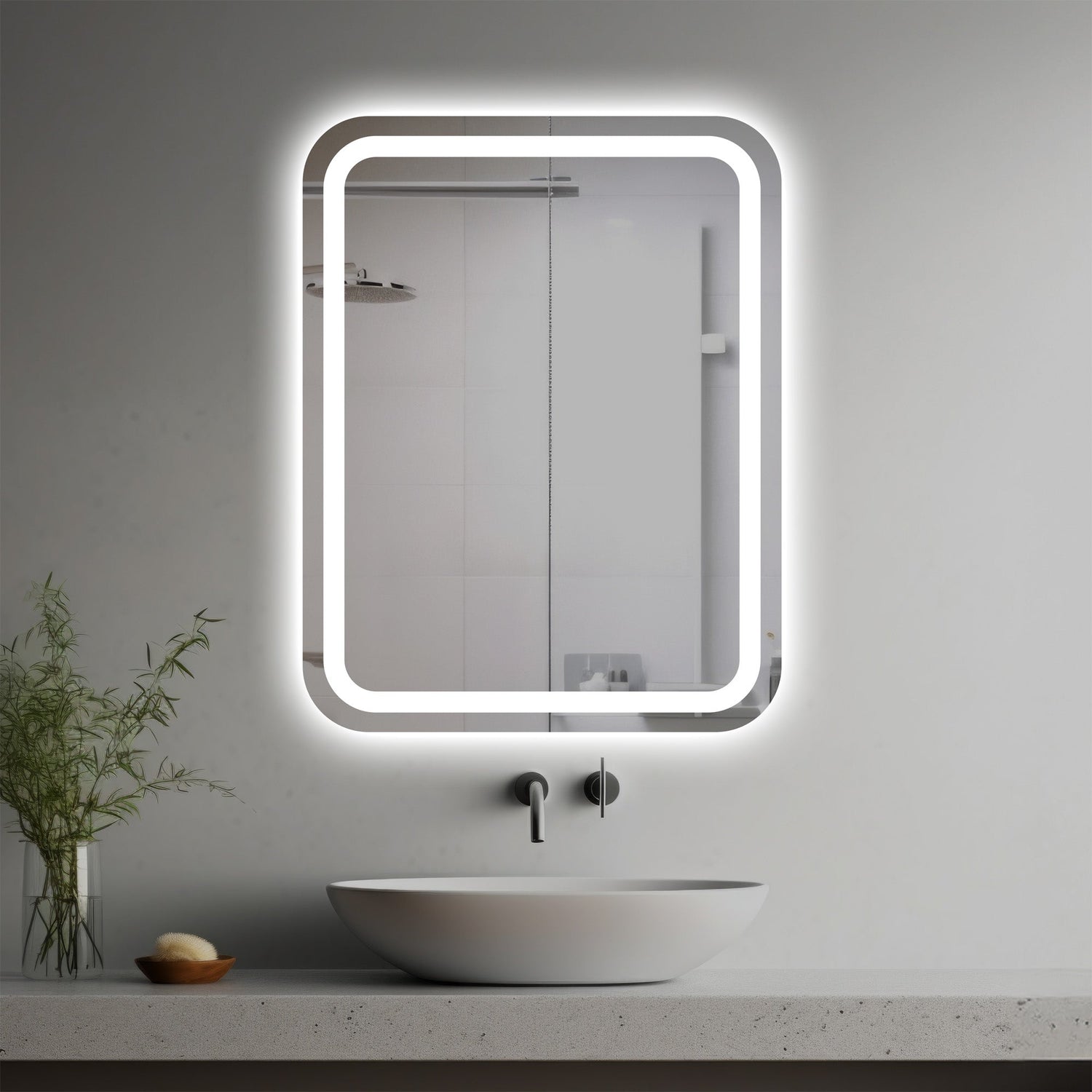
Take the recently renovated Crowne Plaza Providence-Warwick, a nine-time IHG Torchbearer Award winner. In the property's public restroom, the design team at Studio JBD selected a custom etched mirror from Séura's Deconstructed Deco collection to echo the modern lines and symmetry found throughout the hotel. In the guestrooms, Séura's Allegro lighted mirrors were chosen to create balanced lighting and a functional, welcoming spot for guests to get ready for their day. Together, these details reflect the kind of intentional specification decisions that carry a design narrative from public spaces through to the guestroom experience.

Pictured: Vinyl being peeled before application to mirror
Successful hospitality projects are rarely the result of a single product or design decision. They emerge through collaboration between designers and partners who understand both creativity and execution. Whether refining an etched pattern, reviewing a prototype, or validating decisions in a model room, the goal remains the same: protecting design intent from concept through installation.
This design-first approach reflects a broader hospitality shift toward creating continuity across the guest journey. Every touchpoint, from guestrooms to public spaces, contributes to how guests experience a property. When these details feel connected, the result is a more memorable and cohesive stay.
Because guests never see the mood board.
They experience the result: a space that feels intentional, thoughtful, and complete. From inspiration to installation, every detail helps shape the guest journey. The most successful hospitality spaces are those where design intent remains clear at every stage, transforming ideas into experiences guests remember long after they check out.
